
Table of Contents
The word "Chipko" means "to hug" or "to cling", reflecting the movement's unique method of non-violent protest, where villagers embraced trees to prevent them from being cut down.
Origins of the Movement
The movement began in 1973 in the Chamoli district when local communities, heavily dependent on forests for their livelihoods, opposed the government's decision to allow commercial logging by outside contractors. The forests provided essential resources such as fuelwood, fodder, water conservation, and protection against soil erosion. The uncontrolled cutting of trees threatened both the environment and the livelihoods of local people.
The Incident at Reni Village
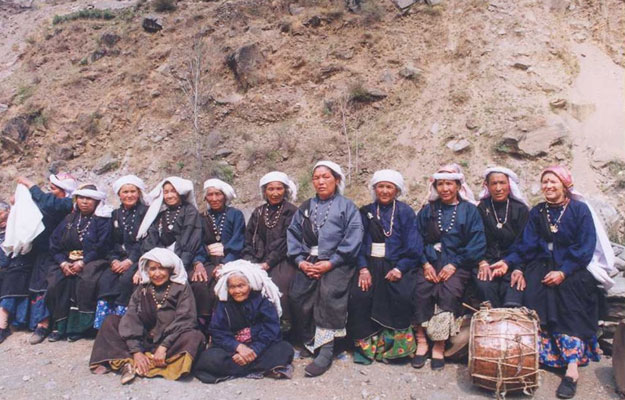
One of the most famous events associated with the Chipko Movement occurred in 1974 in the village of Reni. Under the leadership of Gaura Devi, a group of village women confronted loggers and physically hugged the trees, refusing to allow them to be cut. Their courageous action became a powerful symbol of environmental protection and community resistance. Environmental activists such as Sunderlal Bahuguna and Chandi Prasad Bhatt played crucial roles in spreading the movement and advocating for forest conservation.
Principles and Success
The Chipko Movement was founded on the principles of environmental conservation, community participation, non-violent resistance, and sustainable development. It highlighted the critical role forests play in maintaining ecological balance, preserving biodiversity, preventing soil erosion, and supporting rural livelihoods.
The movement achieved remarkable success. It raised national and international awareness about environmental conservation and influenced government policies related to forest management. In 1980, the Indian government imposed a fifteen-year ban on commercial tree felling in the Himalayan forests of Uttar Pradesh (now Uttarakhand), marking a significant victory for environmental activism.
A Lasting Legacy
The legacy of the Chipko Movement continues to inspire environmental movements worldwide. It demonstrated that ordinary people, especially local communities and women, can play a vital role in protecting natural resources. Today, as the world faces challenges such as climate change, deforestation, and biodiversity loss, the message of the Chipko Movement remains highly relevant: protecting forests is essential for sustaining life, livelihoods, and the planet's future.
Ready to Make a Green Impact?
Whether you want to plant a tree in someone's name, support community-led CSR restoration programs, or calculate and offset your personal carbon footprint, GeoTree makes it simple and transparent.