
Miyawaki Forest Development
Revolutionary afforestation creating dense, native ecosystems rapidly.
Contents
Why Miyawaki Forests Matter
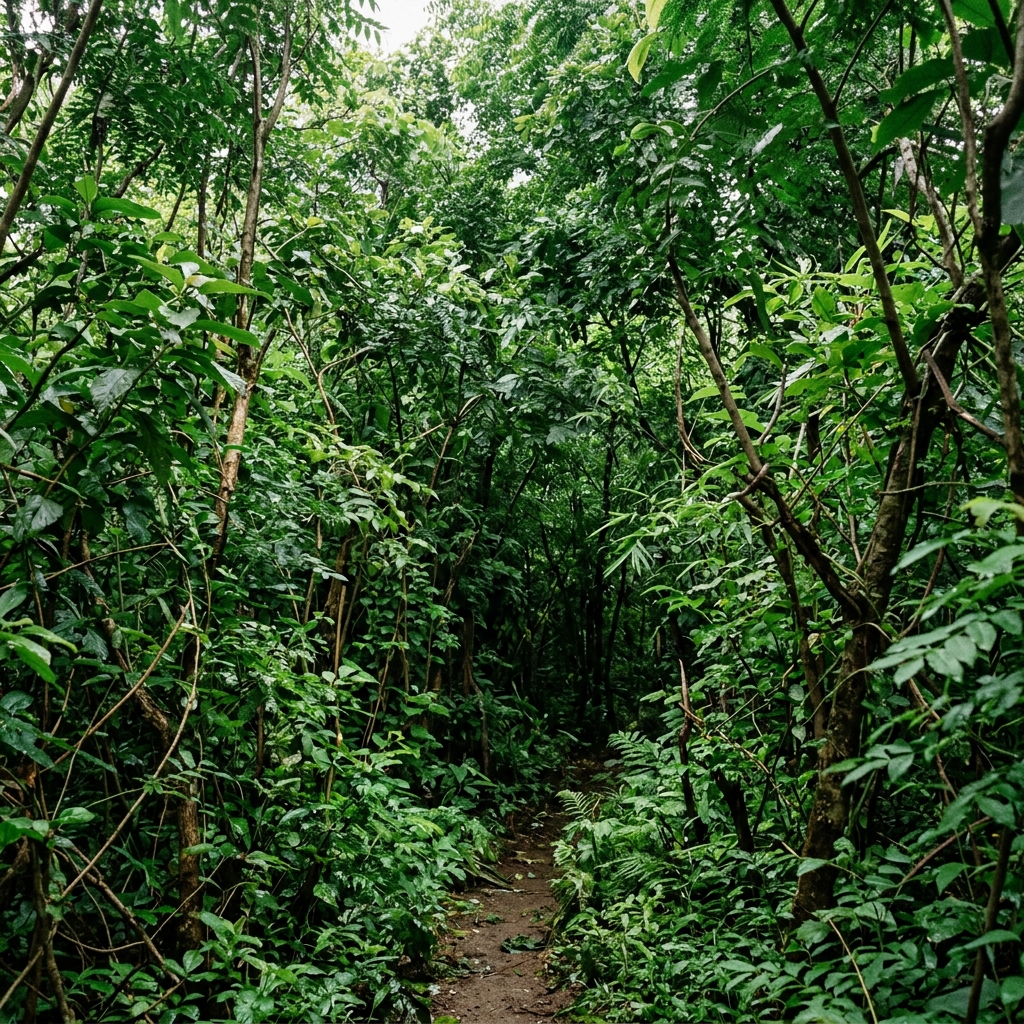
Miyawaki forests are a revolutionary afforestation method designed to create dense, native forests in a relatively small area and a short period of time. Developed by Japanese botanist Dr. Akira Miyawaki, this technique involves planting a diverse mix of native species close together, allowing them to grow rapidly and form self-sustaining ecosystems. Miyawaki forests are increasingly being adopted in urban, industrial, institutional, and community spaces as an effective solution for restoring biodiversity, improving environmental quality, and combating climate change.
These miniature forests deliver significant ecological benefits while transforming unused or degraded land into thriving green ecosystems.
Fast-Growing Forests
Miyawaki forests can grow up to 10 times faster than conventional plantations under suitable conditions.
Unlike traditional tree plantations that often take decades to mature, Miyawaki forests are designed to accelerate natural forest development. By planting multiple native species densely and preparing the soil to support healthy root growth, trees compete for sunlight and grow rapidly. Within just a few years, a Miyawaki forest can develop into a dense, multi-layered ecosystem that would otherwise take much longer to establish. This makes the method ideal for creating green spaces and restoring ecosystems in a shorter timeframe.
High Biodiversity
Multiple native species create a rich and resilient ecosystem that supports wildlife and pollinators.
A key feature of the Miyawaki method is the use of a wide variety of indigenous tree and shrub species. This diversity creates a layered forest structure that closely resembles natural forests and supports a broad range of birds, butterflies, bees, insects, and other wildlife. Diverse ecosystems are more resilient to pests, diseases, and climate variations, making Miyawaki forests an effective tool for restoring ecological balance and strengthening biodiversity.
Carbon Sequestration
Dense forests absorb significant amounts of carbon dioxide, helping combat climate change.
The rapid growth and dense vegetation of Miyawaki forests enable them to capture and store carbon dioxide efficiently. Trees absorb carbon from the atmosphere through photosynthesis and store it within their trunks, branches, roots, and surrounding soil. As the forest matures, it continues to act as a valuable carbon sink, contributing to climate change mitigation efforts and supporting sustainability goals for communities, institutions, and businesses.
Improved Air Quality
Trees filter pollutants, reduce dust, and contribute to cleaner air.
Urban and industrial areas often face challenges related to air pollution and poor environmental quality. Miyawaki forests help improve air quality by trapping dust particles, filtering airborne pollutants, and producing oxygen. Dense green cover acts as a natural barrier that reduces pollution levels while creating healthier surroundings for nearby residents, workers, and communities. These forests contribute to cleaner, fresher air and a more pleasant living environment.
Urban Heat Reduction
Dense green cover helps cool surrounding areas and mitigate the urban heat island effect.
Cities often experience higher temperatures due to extensive concrete surfaces, buildings, and limited vegetation. Miyawaki forests help lower local temperatures by providing shade and releasing moisture into the atmosphere through natural processes. The dense canopy reduces heat absorption and creates cooler microclimates around the forest area. This cooling effect can improve comfort levels, reduce energy consumption, and help cities adapt to rising temperatures caused by climate change.
Habitat Creation
Provides shelter and food for birds, insects, and other wildlife.
As Miyawaki forests develop, they become thriving habitats that support a wide range of species. The diverse mix of native plants provides food sources, nesting sites, and shelter for birds, pollinators, insects, and small wildlife. These forests help reconnect fragmented ecosystems and create pockets of biodiversity within urban and developed landscapes. By restoring natural habitats, Miyawaki forests play a valuable role in protecting and enhancing local wildlife populations.
Small Spaces, Big Impact
Miyawaki forests demonstrate how even small parcels of land can be transformed into thriving ecosystems with significant environmental benefits. From improving air quality and capturing carbon to enhancing biodiversity and cooling urban environments, these dense native forests offer a powerful solution for ecological restoration and climate resilience.
At GEO Tree, we develop Miyawaki forests that create measurable environmental impact while helping communities, organizations, and institutions build a greener and more sustainable future. Together, we can transform unused spaces into vibrant forests that benefit both people and the planet.
Ready to Make a Green Impact?
Whether you want to plant a tree in someone's name, support community-led CSR restoration programs, or calculate and offset your personal carbon footprint, GeoTree makes it simple and transparent.