
Urban Forest Development
Creating healthier, more sustainable, and resilient communities.
Contents
Why Urban Forests Matter
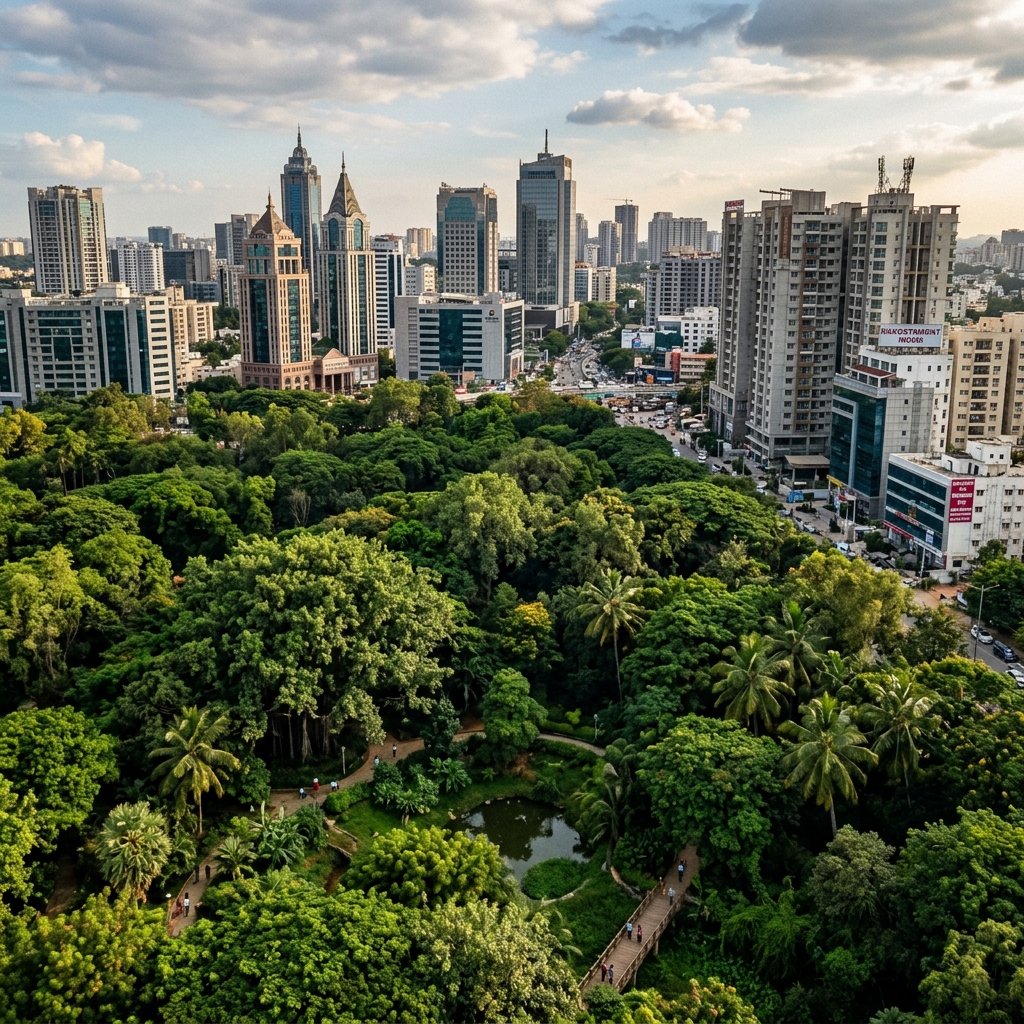
As cities continue to grow, urban forests have become essential for creating healthier, more sustainable, and resilient communities. Urban forests include trees planted along streets, in parks, around institutions, within residential areas, and across public spaces. These green networks provide far-reaching environmental, social, and economic benefits that improve the quality of life for city residents while helping cities adapt to climate challenges.
Urban forests are more than just trees—they are vital infrastructure that supports cleaner air, cooler temperatures, better water management, enhanced biodiversity, and stronger communities.
Improve Air Quality
Trees absorb pollutants and release oxygen, helping create cleaner and healthier urban environments.
Urban areas often experience high levels of air pollution from vehicles, industries, and construction activities. Trees act as natural air filters by capturing dust, particulate matter, and harmful pollutants such as nitrogen oxides, ozone, and sulfur dioxide. At the same time, they release oxygen through photosynthesis, improving air quality and creating healthier living conditions for residents. Expanding urban tree cover can help reduce respiratory health risks and contribute to a cleaner city environment.
Reduce Urban Heat Islands
Urban forests provide shade and cooling effects, lowering temperatures in densely populated areas.
Concrete, asphalt, and buildings absorb and retain heat, causing cities to become significantly warmer than surrounding rural areas—a phenomenon known as the Urban Heat Island effect. Trees help counter this by providing shade and cooling the air through evapotranspiration. Well-planned urban forests can reduce local temperatures, improve outdoor comfort, lower energy consumption for cooling, and make cities more resilient to extreme heat events.
Combat Climate Change
Trees capture carbon dioxide and contribute to city-wide climate action and sustainability goals.
Urban forests play an important role in mitigating climate change by absorbing carbon dioxide from the atmosphere and storing it within their biomass and surrounding soil. Every tree planted contributes to reducing greenhouse gas concentrations while supporting broader sustainability and net-zero goals. As cities seek nature-based solutions to environmental challenges, urban forestry provides a practical and effective strategy for reducing carbon footprints and enhancing climate resilience.
Manage Stormwater Naturally
Urban forests reduce runoff, improve water infiltration, and help prevent flooding.
Heavy rainfall can overwhelm urban drainage systems, leading to waterlogging and flooding. Trees help manage stormwater by intercepting rainfall through their leaves and branches, slowing water flow, and increasing infiltration into the soil. Their root systems improve soil structure and reduce surface runoff, helping recharge groundwater reserves and protect water quality. Urban forests serve as a natural and cost-effective solution for improving city water management.
Enhance Urban Biodiversity
Create habitats for birds, pollinators, and other wildlife within city ecosystems.
Despite being highly developed environments, cities can support rich biodiversity when green spaces are properly integrated. Urban forests provide food, shelter, and breeding habitats for birds, butterflies, bees, and other beneficial wildlife. Planting diverse and native tree species strengthens ecological networks, supports pollination, and contributes to healthier urban ecosystems. Increased biodiversity also improves ecosystem resilience and environmental balance within cities.
Improve Community Well-Being
Green spaces promote physical health, mental wellness, and stronger community connections.
Urban forests create inviting public spaces where people can relax, exercise, and connect with nature. Studies have shown that access to green spaces can reduce stress, improve mental health, encourage physical activity, and enhance overall well-being. Trees also contribute to more attractive neighborhoods, increased social interaction, and stronger community engagement. By bringing nature closer to people, urban forests help create healthier, happier, and more livable cities.
Building Greener Cities for the Future
Urban forests are a critical investment in the future of our cities. They improve environmental quality, strengthen climate resilience, support biodiversity, and enhance the well-being of urban communities. By expanding green cover and integrating trees into urban planning, we can transform cities into healthier, more sustainable places to live, work, and thrive.
At GEO Tree, we are committed to developing urban forests that deliver lasting environmental and social impact—helping cities grow greener, cooler, and more resilient for generations to come.
Ready to Make a Green Impact?
Whether you want to plant a tree in someone's name, support community-led CSR restoration programs, or calculate and offset your personal carbon footprint, GeoTree makes it simple and transparent.